Table of Contents
- Floating Floors vs Glue-Down: What’s the Difference?
- What Is a Floating Floor?
- What Is Glue-Down Flooring?
- Floating Floors vs Glue-Down: Installation Differences
- Comfort and Feel Underfoot
- Sound and Noise Performance
- Durability and Long-Term Performance
- Moisture and Environmental Considerations
- Repairs, Maintenance, and Longevity
- Design Flexibility and Layout Options
- Floating Floors vs Glue-Down: Side-by-Side Comparison
- Which Installation Is Right for Your Home?
- Final Thoughts
- FAQs
Floating Floors vs Glue-Down: What’s the Difference?
When choosing new flooring, most homeowners focus on color, material, and price. But how your floor is installed plays an equally important role in how it performs over time. One of the most common questions we hear at Flooring Market is about floating floors vs glue-down installation methods and which option truly makes sense for everyday living.
Both floating floors and glue-down floors are widely used for luxury vinyl plank, laminate, and engineered hardwood. However, they behave very differently once installed. Understanding the differences between floating floors vs glue-down can help prevent issues like unwanted noise, shifting planks, or selecting a system that doesn’t align with how you actually use your space.
This guide breaks down what floating and glue-down floors are, how they perform, where each works best, and how to confidently choose the right installation method for your home.
What Is a Floating Floor?
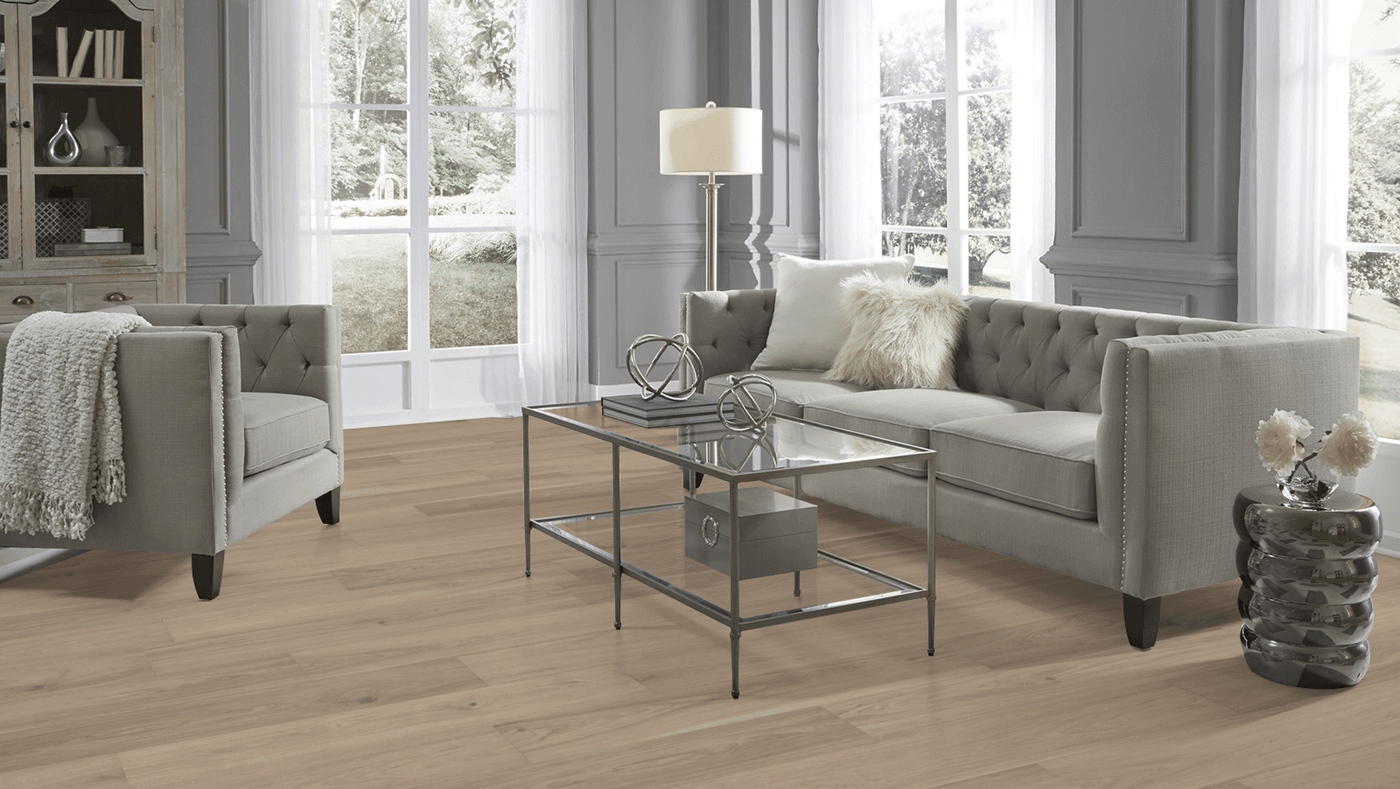
A floating floor is a flooring system that is not attached directly to the subfloor. Instead, the planks or tiles lock together and rest on top of an underlayment or attached pad, creating a connected surface commonly used in floating floors by Mannington.
Most floating floors use a click-lock installation system, allowing planks to snap together along the edges without glue or nails. Because the floor is not fixed in place, it expands and contracts as a single unit with changes in temperature and humidity.
Floating floors are commonly used with:
Luxury vinyl plank (LVP)
Luxury vinyl tile (LVT)
Laminate flooring
Select engineered hardwood products
When homeowners compare floating floors vs glue-down, floating floors often stand out for their convenience, flexibility, and speed of installation.
What Is Glue-Down Flooring?
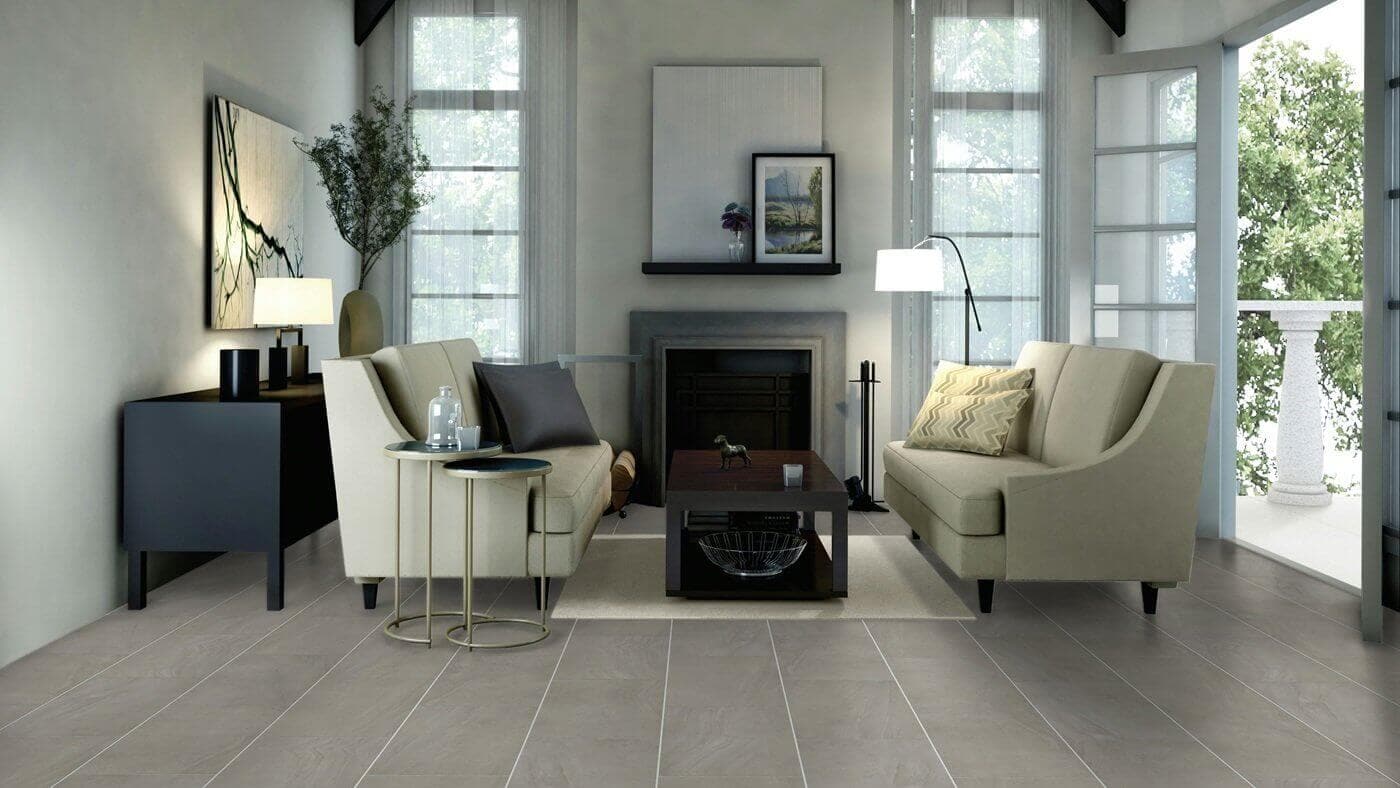
Glue-down flooring is installed by applying adhesive directly to the subfloor and securing each plank or tile individually. Once the adhesive cures, the flooring becomes permanently bonded to the surface beneath it — a method commonly used for high-performance products like Flex glue-down flooring by Mannington.
Glue-down installation is commonly used for:
Glue-down luxury vinyl plank
Luxury vinyl tile
Engineered hardwood
Commercial and high-traffic residential areas
Unlike floating floors, glue-down floors do not move as a system. Each plank remains fixed, which significantly impacts sound control, stability, and long-term performance.
Floating Floors vs Glue-Down: Installation Differences
Installation is one of the first differences homeowners notice when comparing floating floors vs glue-down.
Floating Floor Installation
Faster installation timelines
No adhesives or curing time
Can often be installed over existing flooring
Minimal mess and disruption
Ideal for remodels and lived-in homes
Floating floors can usually be walked on immediately after installation, making them popular for busy households and quick renovations.
Glue-Down Installation
Requires adhesive application
Subfloor must be clean, smooth, and level
Longer installation process
Typically installed by professionals
Creates a permanent bond
While glue-down installation requires more preparation, it delivers superior stability and performance in demanding environments.
Comfort and Feel Underfoot
Comfort is a major deciding factor when evaluating floating floors vs glue-down.
Floating Floors
Slightly softer and more forgiving
Cushioning from underlayment
Warmer underfoot
Can feel hollow if installed improperly
Floating floors are often preferred in bedrooms, living rooms, and play areas where comfort matters most.
Glue-Down Floors
Firm, solid feel
Feels closer to traditional hardwood
No flex or bounce
Ideal for kitchens and high-traffic spaces
If you prefer a floor that feels anchored and substantial, glue-down flooring provides that experience.
Sound and Noise Performance
Sound control is often overlooked when comparing floating floors vs glue-down, but it makes a noticeable difference.
Floating Floors
Can produce hollow or clicking sounds
Underlayment quality is critical
Noise more noticeable in open layouts
Glue-Down Floors
Quieter overall
No plank movement noise
Excellent for multi-level homes and condos
For shared walls or open-concept spaces, glue-down floors typically perform better acoustically.
Durability and Long-Term Performance
Both systems are durable, but they handle stress differently.
Floating Floors
Move as a single system
Heavy furniture can restrict expansion
Spot repairs can be complex
Expansion gaps must be precise
Glue-Down Floors
Each plank acts independently
Handles rolling loads better
Individual planks easier to replace
Less long-term movement
For active homes with pets, kids, or frequent entertaining, glue-down floors often provide superior longevity.
Moisture and Environmental Considerations
Moisture exposure plays a key role in deciding between floating floors vs glue-down.
Floating Floors
Moisture barriers can be added
Water may migrate beneath planks
Better tolerance for minor subfloor imperfections
Glue-Down Floors
Adhesive choice affects moisture resistance
Reduces plank movement in humid areas
Requires moisture testing on concrete slabs
Both systems can work in basements, but glue-down installations often provide greater stability over time.
Repairs, Maintenance, and Longevity
Floating Floors
Easier to remove an entire floor
More difficult spot repairs
Repairs may require unlocking multiple rows
Glue-Down Floors
Individual planks can be replaced
Repairs are more targeted
Better long-term maintenance planning
Homeowners planning to stay in their home long-term often appreciate the repair flexibility of glue-down flooring.
Design Flexibility and Layout Options
Glue-down installation allows for:
Custom layouts and patterns
Herringbone and chevron designs
Fewer expansion limitations
Floating floors are generally limited to straight or staggered layouts due to locking mechanisms and movement requirements.
Floating Floors vs Glue-Down: Side-by-Side Comparison
| Feature | Floating Floors | Glue-Down |
|---|---|---|
| Installation Speed | Fast | Slower |
| Comfort | Softer | Firmer |
| Sound | Can be hollow | Quieter |
| Repairs | More complex | Easier |
| Durability | Good | Excellent |
| DIY Friendly | Yes | No |
| Commercial Use | Limited | Common |
Which Installation Is Right for Your Home?
When choosing between floating floors vs glue-down, think about:
Household activity levels
Sound sensitivity
Long-term durability goals
Comfort preferences
Future repair needs
Many homeowners successfully use both methods in different areas of the same home.
Final Thoughts
There is no universal winner in the floating floors vs glue-down debate — only the right solution for how you live. Floating floors offer flexibility, comfort, and convenience. Glue-down floors deliver quiet performance, durability, and long-term stability.
At Flooring Market, we help homeowners choose installation methods that match real-life use, not just trends. When the installation method aligns with your lifestyle, your floors perform better, last longer, and create fewer frustrations over time. This knowledge helps homeowners make confident, long-lasting flooring decisions.
FAQs
Does subfloor condition affect whether floating or glue-down flooring works better?
Yes. Subfloor condition can influence which installation method performs best. Glue-down flooring generally requires a smoother, more carefully prepared surface, while floating floors can sometimes tolerate minor imperfections with the help of underlayment.
Can floating floors be installed in rental properties or temporary spaces?
Floating floors are often used in rentals or temporary renovations because they can be removed more easily than glue-down floors. This flexibility makes them a practical option for homeowners who may want to update flooring again in the future.
Does furniture weight affect floating floors differently than glue-down floors?
Heavy furniture or built-in fixtures can sometimes restrict the natural movement of floating floors if not planned for properly. Glue-down floors are fixed directly to the subfloor, so they are less affected by furniture placement once installed.