Tile to Hardwood Transition Ideas That Elevate Your Space
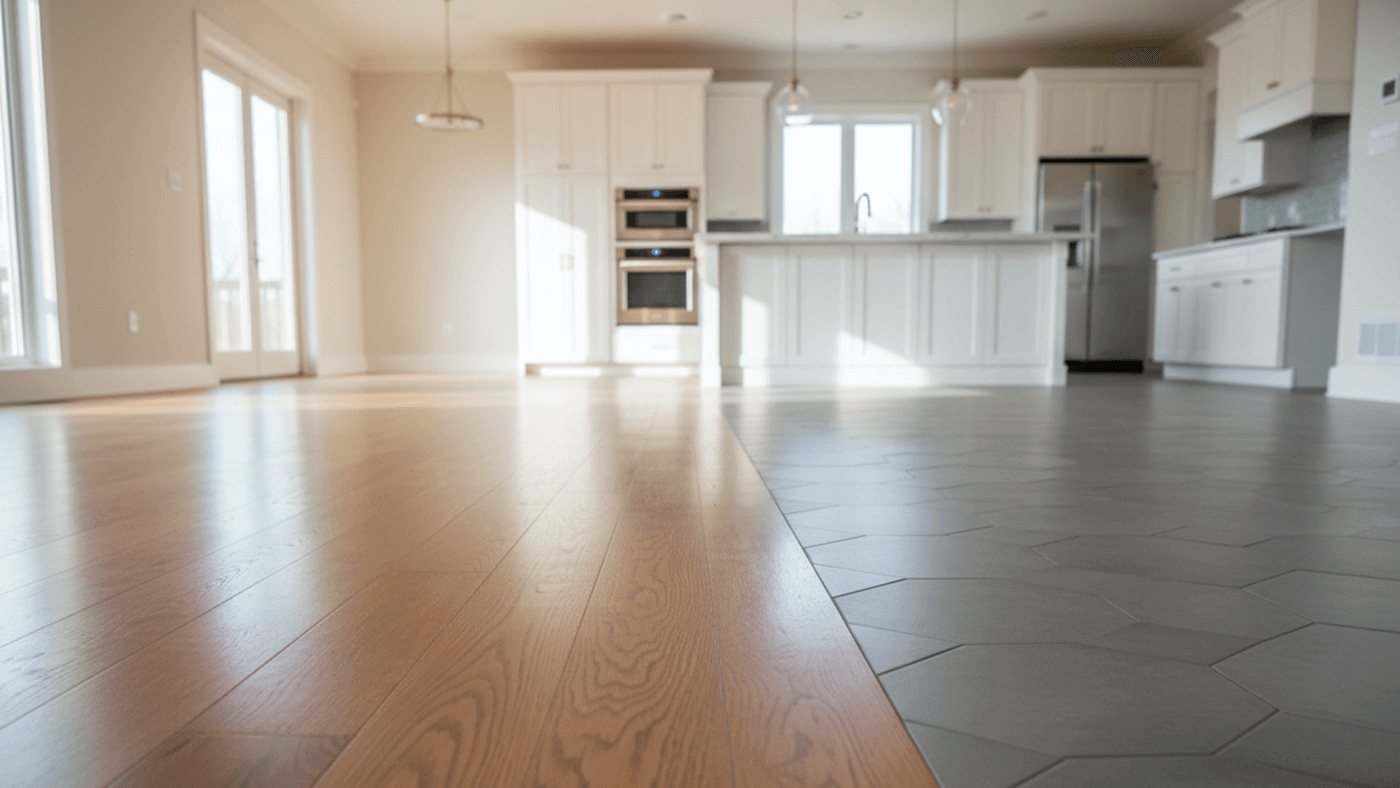
Open-concept living has transformed how homes are designed, blending kitchens into living areas and entryways into shared spaces. When combining materials like tile and hardwood, the connection point becomes critical, which is why exploring the right tile to hardwood transition ideas is essential. A poorly planned transition feels abrupt or unfinished, while a thoughtful one creates a smooth, intentional flow between spaces.
The right tile to hardwood transition does more than connect two materials — it creates visual harmony, improves safety, and protects your floors for years to come. With the right approach, a transition becomes a design feature rather than a compromise.
Why Tile to Hardwood Transitions Matter More Than You Think
Tile and hardwood behave very differently. Tile is rigid, moisture-resistant, and dimensionally stable. Hardwood is organic and responsive, expanding and contracting with changes in humidity. When these materials meet, the transition must manage both performance and appearance.
A well-designed transition serves several key purposes:
Visual flow: Prevents harsh breaks between spaces
Safety: Reduces tripping hazards in high-traffic areas
Protection: Shields vulnerable edges from chipping or splintering
Movement accommodation: Allows hardwood to expand and contract naturally
Longevity: Preserves structural integrity over time
That’s why exploring the right tile to hardwood transition ideas is just as important as choosing the flooring itself.
Flush Transitions: Seamless and Contemporary
The Look
A flush transition places tile and hardwood at the exact same height, meeting edge to edge with no visible molding. The seam is marked only by a clean grout line or color-matched flexible caulk.
Best For
Modern or minimalist interiors
High-end custom builds
Open spaces where uninterrupted flow matters
What to Know
This option demands precision. Subfloors must be perfectly level, and both materials must align in thickness. Engineered hardwood is often preferred due to its dimensional stability.
Among tile to hardwood transition ideas, this is the most visually seamless — and the most technically demanding.
T-Molding Transitions: Practical and Flexible
The Look
A T-shaped molding bridges the seam between tile and hardwood. The top cap covers the joint while the stem fits into the expansion gap below.
Best For
Slight height differences (up to about ¼ inch)
Homes where hardwood movement needs accommodation
Transitional or traditional interiors
Why It Works
T-molding is one of the most reliable tile to hardwood transition ideas because it allows hardwood to move naturally while maintaining a clean, finished appearance. It’s available in wood, metal, and color-matched finishes.
Reducer Moldings: Solving Height Differences Gracefully
The Look
Reducer moldings create a gentle slope from a higher surface to a lower one, eliminating abrupt step-downs.
Best For
Thick porcelain tile meeting thinner hardwood
Remodels where subfloor heights can’t be changed
Design Tip
Choose a reducer that matches the hardwood when possible. This keeps the transition visually quieter and prevents it from feeling bulky.
Reducer moldings may be more visible than other tile to hardwood transition ideas, but when selected thoughtfully, they feel intentional rather than intrusive.
Metal Edge Transitions (Schluter-Style): Clean and Architectural
The Look
Metal profiles — often aluminum, stainless steel, or brass — form a crisp line between tile and hardwood. These strips are installed between materials rather than placed on top.
Best For
Contemporary, industrial, or modern homes
Homeowners who want a subtle but intentional divider
Why Designers Love Them
Metal transitions protect both flooring edges while delivering a sleek, architectural finish. Matte black, brushed brass, and champagne bronze are especially popular in current design trends.
This option stands out among tile to hardwood transition ideas for its balance of durability and refined aesthetics.
Patterned Tile Borders: Artistic and Custom
The Look
Instead of a straight seam, decorative tile creates a border or “rug” effect that gradually leads into hardwood flooring.
Best For
Entryways
Kitchens within open-concept spaces
Homes that embrace character and detail
Planning Matters
This approach requires careful layout and skilled installation. Tile selection should complement both the hardwood and surrounding finishes to avoid visual overload.
Patterned borders are one of the most expressive tile to hardwood transition ideas, turning a functional junction into a design moment.
Diagonal Transitions: Softening the Divide
The Look
The transition line is cut at an angle, often 45 degrees, rather than running straight across.
Best For
Large, open spaces
Homes that feel too linear or boxy
Why It Works
Diagonal transitions draw the eye across the room and soften visual boundaries. They can be paired with T-molding, metal edges, or even flush installations.
This is a subtle yet effective way to elevate tile to hardwood transition ideas without adding new materials.
Key Factors to Consider Before Choosing a Transition
Before committing to any tile to hardwood transition ideas, evaluate these essentials:
Height Differences
Even small discrepancies affect which transition options are viable. Precise measurement is critical.
Expansion Requirements
Hardwood needs room to move. Any transition must allow for this without cracking tile or buckling boards.
Subfloor Condition
A stable, level subfloor ensures long-term success — especially for flush transitions.
Design Intent
Decide whether the transition should disappear or stand out. Both approaches can be correct when done intentionally.
Installation Expertise
Transitions demand precision. Professional installation ensures durability, safety, and visual alignment.
Using Transitions to Define Space (Without Breaking Flow)
In open layouts, transitions often act as subtle zoning tools. Tile may anchor kitchens or entryways while hardwood warms living spaces. The transition itself becomes a visual cue — not a barrier.
Well-executed tile to hardwood transition ideas preserves openness while giving each area its own identity.
In many homes, tile is no longer the only option for kitchens, entryways, or utility spaces. Our guide to Tile vs. LVT flooring explains how these materials compare in durability and moisture resistance, offering helpful context when deciding how different surfaces should connect in open layouts.
Why Professional Installation Makes the Difference
Transitions are one of the most detail-sensitive aspects of flooring installation. A fraction of an inch can determine whether a transition feels seamless or sloppy.
Experienced installers understand:
Material behavior over time
Proper expansion spacing
Clean edge finishing
Alignment across long sight lines
That expertise is what separates a good floor from a great one.
Bringing Tile and Hardwood Together with Confidence
The best tile to hardwood transition ideas strike a balance between beauty and performance. Whether you prefer a barely-there flush seam or a bold metal accent, the right transition enhances safety, protects your investment, and elevates the overall design of your home.
With thoughtful planning and expert execution, your transition becomes part of the architecture — not an afterthought.
If you’re planning a new floor or remodel, a Flooring Market expert can help you explore the right materials, profiles, and layouts to create a seamless connection that feels intentional and timeless.