Tile vs Luxury Vinyl Plank: Which Flooring Fits Your Home?
When homeowners compare tile vs luxury vinyl plank, they’re usually weighing two flooring options that both promise durability, moisture resistance, and modern style. At a glance, they can look surprisingly similar, especially with today’s realistic wood-look and stone-look designs. But how these materials perform day to day — and over the years — is where the real differences show up.
Tile and luxury vinyl plank (often called LVP) are two of the most popular flooring choices for kitchens, bathrooms, entryways, and high-traffic areas. Both are built to handle spills, pets, and daily wear. The right choice depends on how your household functions, how much maintenance you want to manage, and whether you’re thinking short-term practicality or long-term investment.
Instead of asking which option is “better,” the smarter question is which one works best for the way you live.
Why Homeowners Compare Tile vs Luxury Vinyl Plank
The comparison between tile vs luxury vinyl plank comes up so often because both solve similar problems in very different ways. They’re both water-friendly, durable, and available in styles that mimic hardwood, marble, concrete, and stone with impressive realism.
Homeowners also tend to compare these two because they sit at different ends of the comfort-versus-longevity spectrum. Tile is known for its permanence and resale appeal. Luxury vinyl plank is known for comfort, warmth, and easy maintenance.
After years of helping homeowners choose flooring, one pattern appears again and again: satisfaction comes from choosing the floor that matches your lifestyle, not just your budget or design inspiration.
Tile vs Luxury Vinyl Plank: Quick Pros and Cons
| Feature | Tile (Porcelain / Ceramic) | Luxury Vinyl Plank (LVP) |
|---|---|---|
| Lifespan | 25–30+ years | 15–25 years |
| Comfort | Cool and hard underfoot | Softer and warmer |
| Radiant Heating | Yes | No |
| Water Resistance | Waterproof with sealed grout | Waterproof surface |
| Scratch / Dent Resistance | Excellent | Very good (softer core) |
| Maintenance | Grout may need sealing | Simple sweep and mop |
| Repairability | Tile replacement by pro | Easier with glue-down LVP |
| Installation Cost | Higher labor and prep | Faster, lower labor cost |
This side-by-side view highlights why there’s no universal winner in the tile vs luxury vinyl plank debate — only better fits for different homes.
Durability in Everyday Life
Tile: Built to Last
Tile has earned its reputation as one of the most durable flooring materials available. Porcelain and ceramic tile can handle decades of foot traffic, heat, spills, and humidity without breaking down. That’s why tile remains a go-to choice for kitchens, bathrooms, mudrooms, and entryways.
Tile resists scratches from pet nails, dents from dropped items, and damage from rolling furniture. When installed correctly and maintained properly, tile floors can last 30 years or more.
For homeowners planning to stay in their home long-term or those thinking about resale value, tile offers confidence and permanence that few other materials match.
Luxury Vinyl Plank: Flexible and Family-Friendly
Luxury vinyl plank is built for modern living. Its layered construction allows it to flex slightly under pressure, which helps absorb impact and makes it more forgiving underfoot. LVP handles everyday traffic extremely well and resists most scuffs and scratches.
While vinyl doesn’t match tile’s lifespan, it performs exceptionally well for active households with kids, pets, and frequent messes. Glue-down LVP allows for easier spot repairs, while floating systems provide faster installation but require removing connected planks for replacements.
Comfort and Daily Use
One of the biggest differences homeowners notice right away in the tile vs luxury vinyl plank comparison is comfort.
Tile feels solid, cool, and firm. In warm climates, this can be refreshing. In colder regions, tile can feel chilly without radiant heating. Standing for long periods — cooking or washing dishes — may feel tiring unless mats are used.
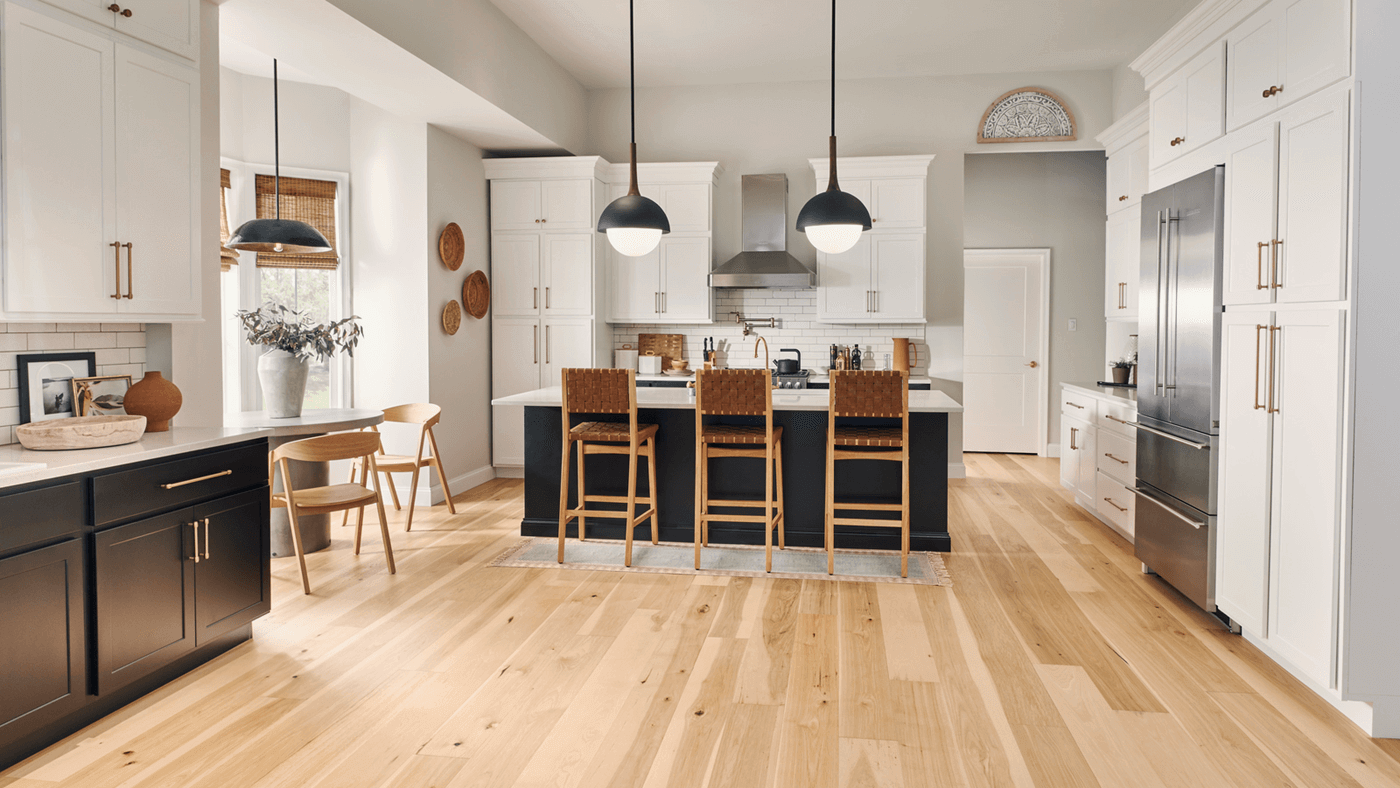
Luxury vinyl plank feels noticeably warmer and softer. It absorbs sound better, reduces echo, and is easier on joints. In homes with children, pets, or open floor plans, LVP often creates a quieter and more comfortable environment. Many homeowners choose options like Paramount Rigidcore Keystone Barley Grass for living areas and kitchens because its cushioned construction enhances that softer, more comfortable underfoot feel without sacrificing waterproof performance.
Water Resistance and Moisture Performance
Both flooring types are excellent choices for moisture-prone areas, but they manage water differently.
Tile itself is waterproof, and when paired with sealed grout, it forms an extremely durable moisture barrier. However, grout lines require maintenance over time to prevent staining or discoloration.
Luxury vinyl plank has a fully waterproof surface. Everyday spills, splashes, and pet accidents wipe up easily. That said, standing water left for long periods can still reach the subfloor through seams, so prompt cleanup remains important.
In kitchens and bathrooms, both tile and LVP perform well — the choice often comes down to comfort and upkeep rather than water resistance alone.
Maintenance and Cleaning
Maintenance style is another deciding factor in the tile vs luxury vinyl plank discussion.
Luxury vinyl plank is low-stress. Regular sweeping and occasional damp mopping keep it looking clean. There’s no sealing, no grout care, and no special cleaning products required.
Tile is also easy to clean day to day, but grout lines may need periodic scrubbing or resealing. Modern epoxy and urethane grouts reduce maintenance significantly, but they still require some attention over time.
Style and Design Flexibility
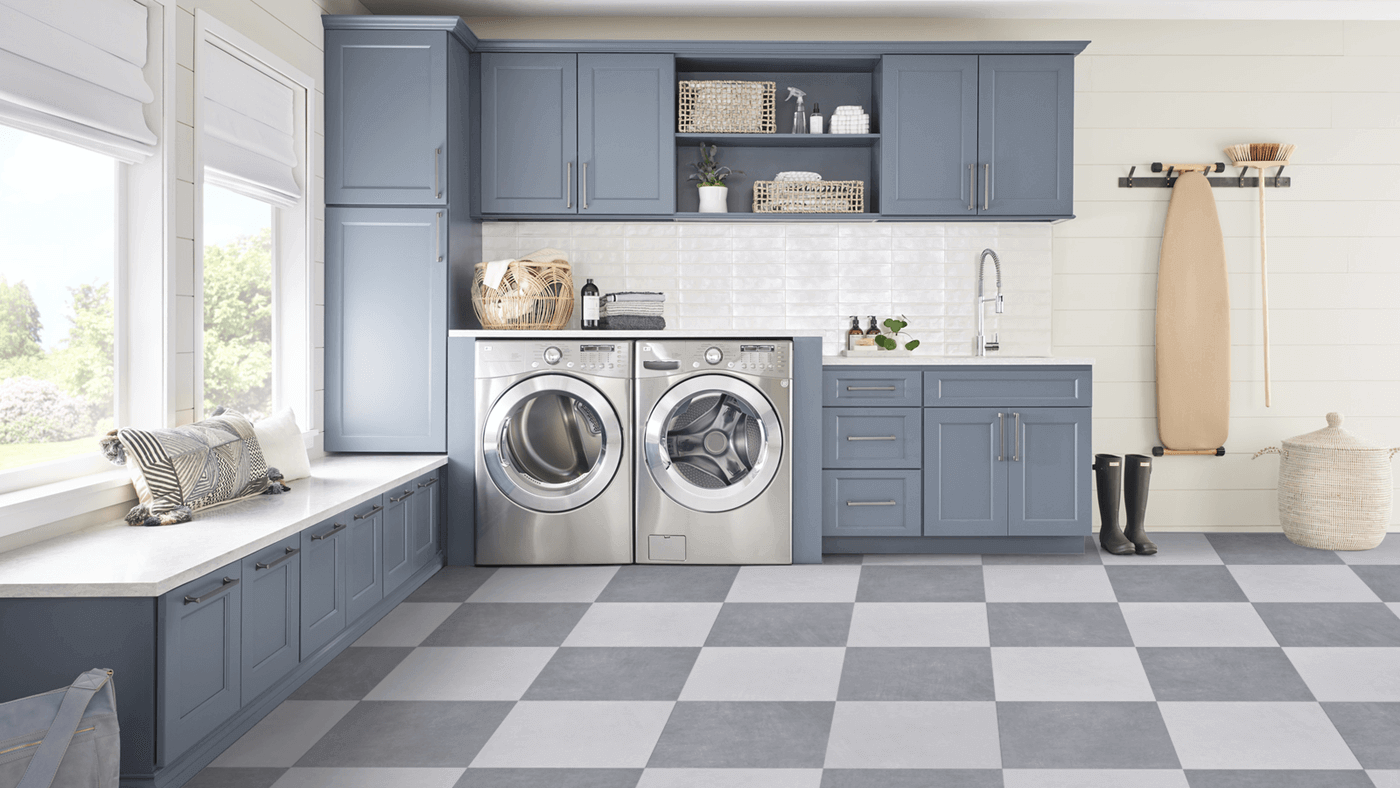
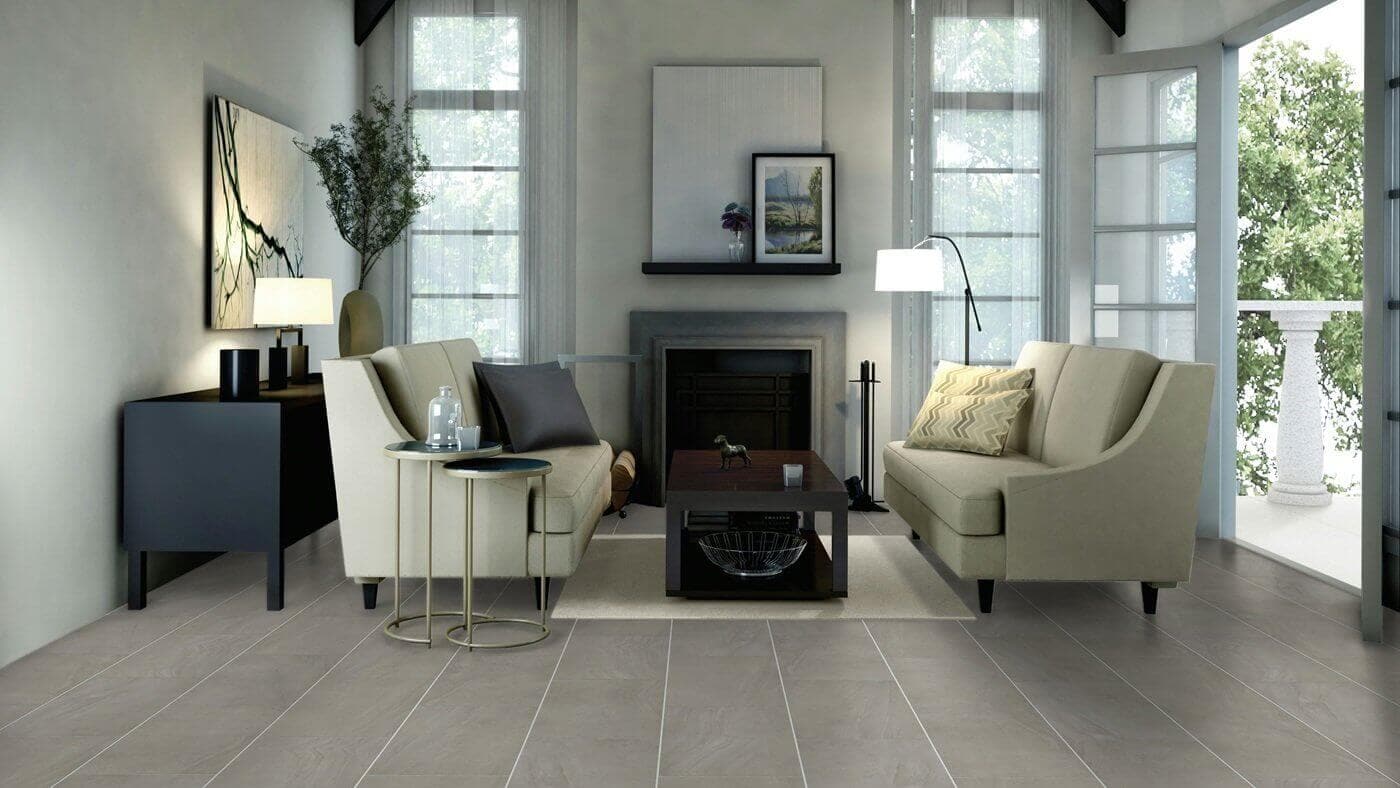
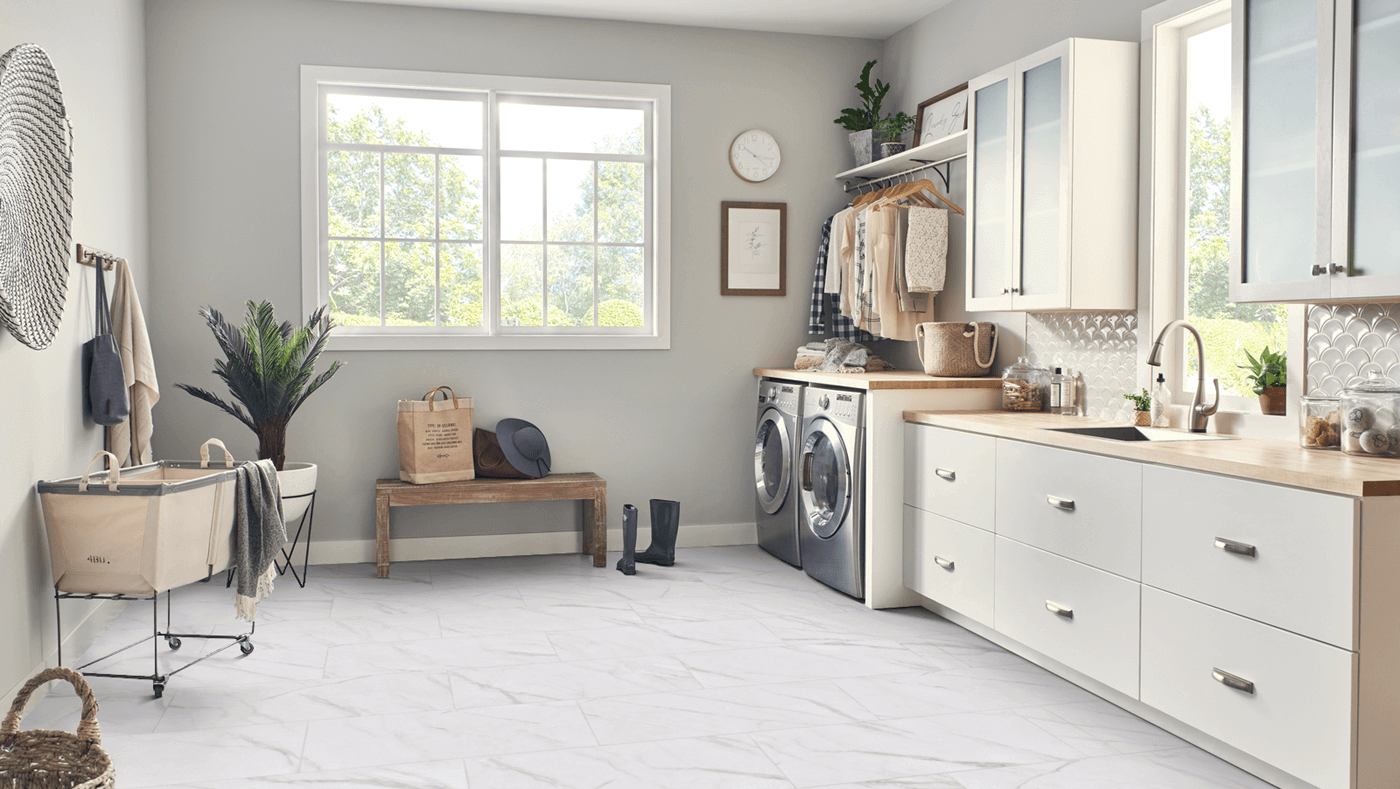
Tile offers unmatched design range. From large-format marble looks to bold mosaics and matte concrete styles, tile allows for creative expression. Patterned tiles can turn floors into statement pieces, while neutral stone looks create timeless backdrops.
Luxury vinyl plank focuses on approachable realism. Its wood visuals are warm and inviting, and stone-look vinyl offers a softer alternative to traditional tile. LVP works especially well in open layouts where continuity between rooms matters.
Both materials now deliver high-end aesthetics — the difference lies in texture, temperature, and how the space feels underfoot.
Cost and Long-Term Value
Upfront cost often favors luxury vinyl plank. Installation is faster, labor costs are lower, and subfloor prep is typically simpler.
Tile costs more to install due to labor, prep work, and materials, but it delivers long-term value through longevity and resale appeal.
Homeowners who plan to move within ten years often lean toward LVP for its affordability and flexibility. Those investing in a “forever home” may find tile’s durability and permanence worth the higher initial cost.
Mixing Tile and LVP in One Home
Many homeowners don’t choose just one. A common and effective strategy is using tile in wet zones like kitchens and bathrooms, while installing luxury vinyl plank in adjacent living areas.
This hybrid approach balances durability, comfort, and cost — and creates visual flow when styles are coordinated thoughtfully.
Final Thoughts: Which One Is Right for You?
The choice between tile vs luxury vinyl plank isn’t about which material is superior. It’s about which one supports your lifestyle, maintenance preferences, and long-term plans.
Tile offers unmatched durability, timeless appeal, and strong resale value. Luxury vinyl plank delivers comfort, affordability, and low-stress living. Both are excellent flooring options when used in the right spaces.
If you’re still unsure, Flooring Market’s experts can help you compare samples, understand installation requirements, and choose the flooring that truly fits your home — now and for years to come.