Table of Contents
- How Steam Cleaning Affects Flooring Materials
- Can You Use a Steam Mop on Hardwood Floors?
- Can You Use a Steam Mop on Laminate Flooring?
- Can You Use a Steam Mop on Tile Floors?
- Manufacturer Guidance: What Flooring Brands Say
- What Happens If You Use a Steam Mop Too Often?
- Steam Mop Best Practices If Approved by the Manufacturer
- Safer Alternatives to Steam Cleaning
- Final Thoughts: Should You Use a Steam Mop?
- FAQs
Can You Use a Steam Mop on Hardwood, Laminate, or Tile? A Complete Floor Care Guide
Keeping your floors clean is part of protecting your home, but using the wrong cleaning method can quietly cause long-term damage. One of the most common questions homeowners ask is can you use a steam mop on hardwood, laminate, or tile floors without risking warping, swelling, or voided warranties.
Steam mops promise chemical-free cleaning and convenience, but heat and moisture interact differently with each flooring material. Understanding what is safe, what is risky, and what manufacturers actually allow helps you protect both your floors and your investment.
This guide breaks down steam mop use by flooring type, explains manufacturer guidance, and offers best practices so you can clean confidently and responsibly.
How Steam Cleaning Affects Flooring Materials
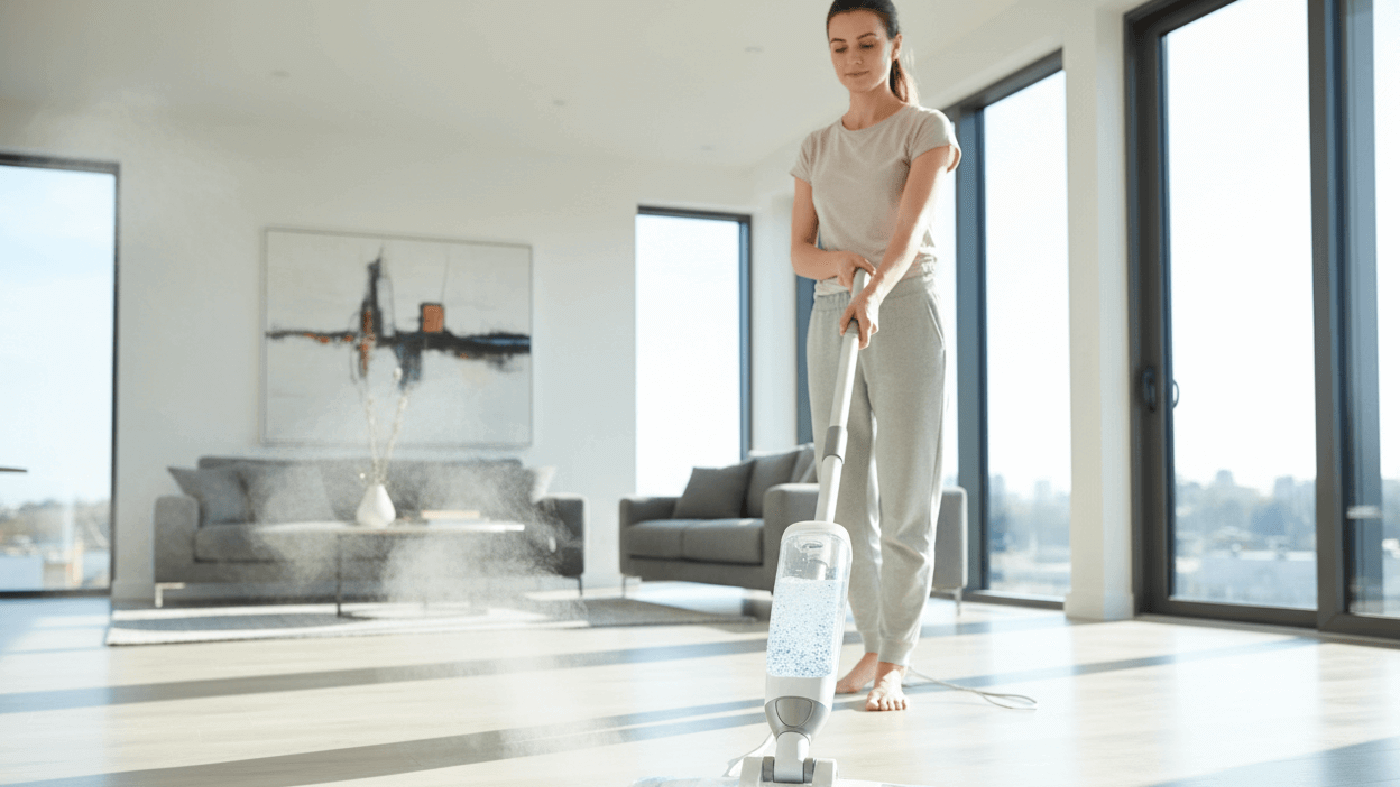
Steam mops clean by releasing heated vapor that loosens dirt and bacteria. While effective, steam introduces heat, moisture, and pressure—three factors that flooring materials handle very differently.
Some surfaces tolerate steam well. Others are damaged slowly over time, even when problems are not immediately visible. Manufacturer approvals matter because warranties often depend on following specific care instructions.
Before asking how to use a steam mop, it’s critical to ask whether your specific floor allows it at all.
Can You Use a Steam Mop on Hardwood Floors?
This is where homeowners need to be the most cautious. The short answer: usually no, unless the manufacturer explicitly allows it.
Traditional solid hardwood and many engineered hardwood floors are sensitive to moisture. Steam can force vapor into seams, micro-cracks, and joints, leading to:
Warping or cupping
Finish breakdown
Adhesive failure
Long-term moisture damage
Because of this, many hardwood manufacturers do not approve steam mops as a routine cleaning method.
That said, some modern engineered hardwood products with advanced finishes may allow limited steam use under very specific conditions. Always check the manufacturer’s care guide before deciding can you use a steam mop on hardwood in your home.
Best Practice for Hardwood
Use dry or lightly damp microfiber mops
Clean spills immediately
Follow manufacturer-approved cleaners only
Avoid standing moisture at all times
When in doubt, skip steam and choose safer alternatives.
Can You Use a Steam Mop on Laminate Flooring?
Laminate flooring is more durable than many people expect, but moisture is still its biggest enemy.
Most laminate products have a dense core that can swell if moisture penetrates seams. While newer water-resistant laminates offer better protection, steam introduces heat and vapor that may exceed what the product is designed to handle.
Many laminate manufacturers do not recommend steam mops, even if the surface appears durable.
If you are asking, can you use a steam mop on hardwood and laminate floors together, remember laminate generally has stricter moisture limits than vinyl but fewer repair options than wood.
Best Practice for Laminate
Sweep or vacuum regularly
Use a damp (not wet) mop
Avoid steam unless explicitly approved
Never allow moisture to pool
Can You Use a Steam Mop on Tile Floors?
Tile is the most steam-friendly flooring category—but even here, details matter.
Porcelain and ceramic tile surfaces handle heat and moisture well. However, grout and subfloors are still vulnerable if moisture is excessive.
Steam mops can be effective on tile floors, especially in bathrooms and kitchens, but should still be used responsibly.
Best Practice for Tile
Keep steam moving, never stationary
Focus on surface cleaning, not soaking grout
Ensure grout is properly sealed
Allow floors to dry fully after cleaning
Tile may tolerate steam better than wood or laminate, but moderation is still key.
For routine maintenance, a pH-neutral cleaner like StoneTech Stone & Tile Cleaner can be a practical option for tile surfaces when used as directed. Always confirm product compatibility with your specific tile, grout, and sealers before use, and follow the manufacturer’s instructions.
Manufacturer Guidance: What Flooring Brands Say
Manufacturer approval always overrides general advice. For example, Mannington approves residential steam cleaners designed for hard-surface floors on select products, with important conditions:
Never flood the floor
Use low steam output
Avoid soap-based detergents
Do not use abrasive cleaners
Promptly remove liquid spills
This guidance highlights an important point: approval does not mean unlimited use.
Even when manufacturers allow steam, it is typically meant for occasional cleaning, not weekly deep steaming.
If you are researching can you use a steam mop on hardwood, laminate, or vinyl, always verify care instructions for your exact product line.
What Happens If You Use a Steam Mop Too Often?
Damage from steam mops often happens gradually. Homeowners may not notice problems until months later, when repairs are more expensive and warranties may no longer apply.
Common long-term issues include:
Fading or peeling finishes
Separated seams
Adhesive breakdown
Mold or moisture trapped below the surface
This is why flooring professionals emphasize prevention over repair.
Steam Mop Best Practices If Approved by the Manufacturer
If your flooring manufacturer explicitly allows steam cleaning, technique matters just as much as permission.
Use the lowest steam setting
Keep the mop moving continuously
Avoid seams, transitions, and edges
Never pause over one spot
Use clean water only—no additives
Allow the floor to dry completely
Even approved steam use should be occasional, not part of regular weekly maintenance.
Safer Alternatives to Steam Cleaning
For most homes, steam mops are unnecessary. Safer, manufacturer-approved methods often deliver excellent results without added risk.
Consider:
Microfiber mops
pH-neutral cleaners
Spot cleaning for spills
Regular sweeping or vacuuming
These methods protect finishes and extend the life of your floors.
Final Thoughts: Should You Use a Steam Mop?
So, can you use a steam mop on hardwood, laminate, or tile? The answer depends entirely on the flooring type and manufacturer approval.
Hardwood: usually not recommended
Laminate: rarely approved
Tile: generally acceptable with care
Always confirm cleaning guidelines with the manufacturer before introducing heat or moisture. Flooring warranties are based on proper care, and incorrect cleaning methods can void coverage. This guidance helps homeowners avoid costly flooring damage long term.
When used responsibly—and only when approved—steam mops can be helpful. But for most floors, simpler, safer cleaning methods provide better long-term protection.
If you ever have questions about caring for your floors, the Flooring Market team is here to help you understand product-specific guidelines so you can clean with confidence and protect your investment.
For homeowners who want to avoid the risks associated with steam cleaning, a simple pH-neutral cleaner designed for stone and tile surfaces can be a safer option for routine maintenance. Products like StoneTech Stone & Tile Cleaner are formulated to remove everyday dirt while helping protect tile and grout when used according to manufacturer guidelines.
StoneTech Stone & Tile Cleaner
$9.50
StoneTech Stone & Tile Cleaner The daily cleaner is designed to clean everyday messes on natural stone and tile. Recommended Surfaces: Natural stone, Masonry, Tile and Grout such as Marble, Granite, Limestone, Travertine, Quartzite, Slate, Sandstone, Flagstone, Concrete, Ceramic Tile,… read more


FAQs
Can steam mops damage flooring warranties?
Yes, in some cases. Many flooring warranties require homeowners to follow manufacturer-approved cleaning methods. Using a steam mop on a product that does not allow steam cleaning may void warranty coverage, especially if moisture or heat damage occurs.
How can I check if my specific floor allows steam cleaning?
The safest way is to review the manufacturer’s care and maintenance guide for your exact product. These guidelines are often available on the flooring brand’s website or included with product documentation. If the instructions do not mention steam mops, it is safest to avoid them.
Can older floors handle steam cleaning differently than newer floors?
Yes. Older flooring installations may be more vulnerable to steam because finishes, adhesives, and sealers can weaken over time. Floors with existing wear, gaps, or damaged seams are especially at risk when exposed to heat and moisture.