Flooring Returns: What to Know Before You Order
Understanding flooring returns before placing your order can help you avoid unexpected costs, delays, and frustration later in the process. Because many flooring products are heavy, shipped by freight, and subject to manufacturer handling requirements, return eligibility is more limited than with standard online purchases.
Taking the time to understand return guidelines before ordering allows you to make informed decisions, plan quantities accurately, and avoid unnecessary expenses if your project changes.
If you have questions about product eligibility or return options, we strongly recommend contacting our team before placing your order.
Why Flooring Returns Work Differently Than Other Purchases
Flooring products are not handled like typical parcel shipments. Most flooring orders are shipped on pallets or by freight carriers due to their size and weight. Once materials leave the warehouse, they must remain in sellable condition to be eligible for return.
Because of this, manufacturers and distributors enforce strict standards for packaging, handling, and timing. Even small issues such as damaged cartons, missing packaging, or delayed requests can make products ineligible for return.
Understanding these differences upfront helps set realistic expectations and explains why flooring returns often involve fees, inspections, and approval requirements rather than simple drop-off returns.
Important Things to Know Before You Order
Returning unused flooring can be expensive, especially on larger projects. Careful planning before you order is the most effective way to reduce the likelihood of returns.
Installers typically recommend ordering extra material to account for waste, cuts, pattern matching, and installation errors. This overage is intentional and helps prevent project delays caused by running short of material mid-installation.
It’s also common to have extra cartons left over once installation is complete. In many cases, keeping unopened cartons is the most practical option. Extra material can be useful for future repairs, replacements, or additions.
Return eligibility can vary by product type, so confirming return options with a Flooring Market sales representative before purchase is always the safest approach.
Non-Returnable Products
Not all products are eligible for return. The following items are non-returnable and non-refundable:
Ceramic and porcelain products
All trim pieces
All accessories
Trim and accessory selections often depend on installation methods, room transitions, and personal preference. While our sales team can suggest compatible options, they cannot be held responsible for trim selection.
We strongly recommend confirming trim requirements with your installer or contractor before ordering to avoid purchasing unnecessary materials.
How the Return Process Works
Before attempting to return products, you must first contact Flooring Market to confirm that the products are eligible for return and to learn the return procedure. Return eligibility, timelines, and conditions are governed by Flooring Market’s Terms of Sale.
To request a return, please email info@flooringmarket.com within 14 days of receiving your order.
If your request is approved, you will receive a Return Authorization Number (RA#). This number must be included with your return shipment and referenced in all related communication.
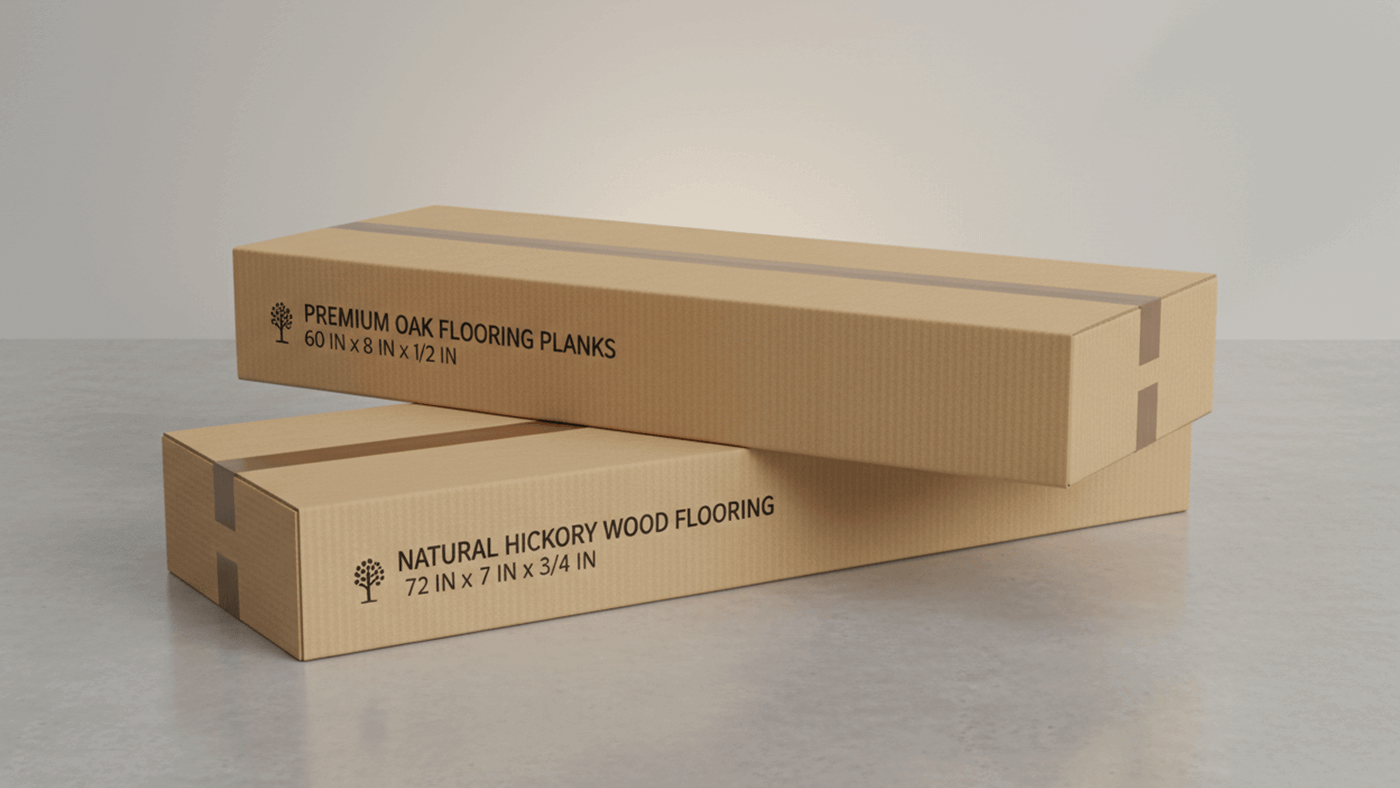
Returns are eligible only for 4 cartons or more of flooring. All cartons must be factory sealed, unopened, unused, and undamaged.
Once authorization is issued, you must return the authorized products within 14 days of receiving the Return Authorization Number. The Return Authorization Number must be enclosed with the shipment.
All returns permitted must include the RA#, the Sales Order, the products in their original packaging, and all original materials supplied with the products, and the products must be uninstalled and in new and unused condition.
All returns must be completed within 30 days of your receipt of the products.
Returns sent without authorization or outside the allowed timeframe cannot be accepted.
After the materials are received, they are inspected to confirm eligibility. Credits are issued only after inspection is completed and return requirements are verified.
Return Shipping Responsibilities
Customers are responsible for arranging and paying for return shipping using a carrier of their choice. The return address will be provided once a Return Authorization Number is issued.
Because flooring materials are heavy and typically shipped via freight, return shipping costs can be significant. In some cases, shipping and restocking fees may exceed the value of the credit received.
Understanding these responsibilities ahead of time helps you decide whether a return makes sense for your situation or whether keeping extra material is the more practical option.
Restocking Fees and Credits
All approved flooring returns are subject to the following deductions:
A 30% restocking fee
Deduction of the original outbound shipping cost, even if free shipping was applied
Once returned materials are received and inspected, a credit will be issued via the original payment method. This process may take up to four weeks, depending on inspection timelines and processing schedules.
Credits are issued only after all return conditions are met.
Should You Return Extra Flooring or Keep It?
Before returning unused flooring, it’s worth weighing the costs against the potential long-term benefits of keeping extra material.
Keeping unopened cartons may be beneficial if:
Repairs are needed later due to damage or wear
Additional rooms are added in the future
Matching material becomes unavailable
Many homeowners find that storing extra flooring provides peace of mind and avoids future sourcing challenges. In contrast, returning flooring often involves freight costs and restocking fees that reduce the value of the credit received.
Manufacturer Return Limitations
Return eligibility is influenced by manufacturer handling standards and distribution guidelines. Even when returns are allowed, strict conditions may apply related to carton count, packaging integrity, and inspection results.
Products that show signs of handling, damage, or repackaging typically cannot be resold and therefore cannot be accepted for return. Confirming eligibility before ordering is the best way to avoid misunderstandings later.
Common Flooring Return Mistakes to Avoid
Some of the most common issues that prevent successful returns include:
Opening cartons to inspect material
Discarding original packaging or materials supplied with the products
Waiting beyond the 14-day request window
Ordering trim without confirming needs with your installer
Shipping returns without authorization or required documentation
Avoiding these mistakes improves the likelihood that a return request can be approved if plans change.
How to Avoid Flooring Returns Before You Order
The best way to avoid returns is careful planning before checkout.
Helpful steps include:
Measuring each room accurately
Including the recommended waste factor
Confirming layout and pattern direction
Verifying return eligibility for your product
Confirming trim and accessory selections
Asking questions before ordering
If anything is unclear, reaching out before placing your order can help prevent unnecessary costs and delays.
Final Notes on Flooring Returns
Flooring returns are possible in some situations, but they come with conditions, fees, and shipping responsibilities. Understanding these details ahead of time allows you to make confident decisions and avoid costly surprises.
If you have questions or need assistance confirming eligibility, quantities, or next steps, our team is here to help.