Table of Contents
- What Is Ceramic Tile?
- What Is Porcelain Tile?
- Difference Between Ceramic Tile and Porcelain Tile: Manufacturing
- Water Absorption and Moisture Resistance
- Durability and Strength
- Appearance and Design Options
- Installation Differences
- Cost Considerations
- Best Uses for Ceramic Tile
- Best Uses for Porcelain Tile
- How to Tell Ceramic Tile and Porcelain Tile Apart
- Is Porcelain Tile Always Better?
- Final Thoughts
- FAQs
Difference Between Ceramic Tile and Porcelain Tile
When planning a tile project, one of the most common questions homeowners ask is about the difference between ceramic tile and porcelain tile. While the two materials may look similar at first glance, they are not the same—and choosing the right one can have a major impact on durability, performance, and long-term satisfaction.
Understanding how ceramic tile and porcelain tile differ will help you make a confident decision for your space, whether you are remodeling a bathroom, upgrading a kitchen, or installing new flooring throughout your home.
What Is Ceramic Tile?
Ceramic tile is made from natural clay, water, and minerals that are shaped and fired in a kiln. After firing, most ceramic tiles receive a glazed surface, which adds color, texture, and a protective layer.
Ceramic tile is fired at lower temperatures than porcelain tile, which makes it slightly softer and more porous. This does not make it a poor-quality product. Ceramic tile has been used successfully for centuries, but this difference does affect where it performs best.
Ceramic tile is commonly used on walls, backsplashes, and in areas with lighter foot traffic. Its versatility, affordability, and wide range of design options make it a popular choice for residential interiors.
What Is Porcelain Tile?
Porcelain tile is technically a type of ceramic tile, but it is manufactured using more refined clay and fired at significantly higher temperatures. This process results in a denser, harder tile with extremely low water absorption.
Porcelain tile is often used in demanding environments because of its strength and moisture resistance. It can be glazed or unglazed, and many porcelain tiles feature color that runs through the body of the tile, helping disguise chips or wear over time.
Due to its durability, porcelain tile is commonly used on floors, in showers, entryways, and even outdoor spaces.
Difference Between Ceramic Tile and Porcelain Tile: Manufacturing
One of the biggest contributors to the difference between ceramic tile and porcelain tile is how each product is made.
Ceramic tile is produced using traditional clay and fired at lower kiln temperatures. Porcelain tile uses refined materials and is fired at much higher temperatures, which removes more moisture from the tile and creates a denser final product.
This manufacturing difference directly affects water resistance, strength, and installation requirements.
Water Absorption and Moisture Resistance
Moisture performance is a key factor when comparing the difference between ceramic tile and porcelain tile.
Ceramic tile has a higher water absorption rate, meaning it can take in more moisture over time. While glazed ceramic tile resists surface moisture well, it is not ideal for constant water exposure.
Porcelain tile has a water absorption rate of less than 0.5%, making it highly resistant to moisture. This makes porcelain tile a better option for bathrooms, showers, laundry rooms, and outdoor applications.
If water exposure is a concern, porcelain tile generally offers better long-term performance.
Durability and Strength
Another important difference between ceramic tile and porcelain tile is durability.
Ceramic tile is durable enough for walls and light-traffic floors but can chip or crack more easily under heavy use. It is best suited for areas where impact and wear are minimal.
Porcelain tile is significantly harder and more resistant to damage. It can handle heavy foot traffic, pets, furniture movement, and commercial use. Because of this, porcelain tile is often chosen for flooring in busy households.
Appearance and Design Options
Both ceramic and porcelain tiles are available in a wide variety of styles, colors, and finishes. However, porcelain tile often excels at replicating natural materials.
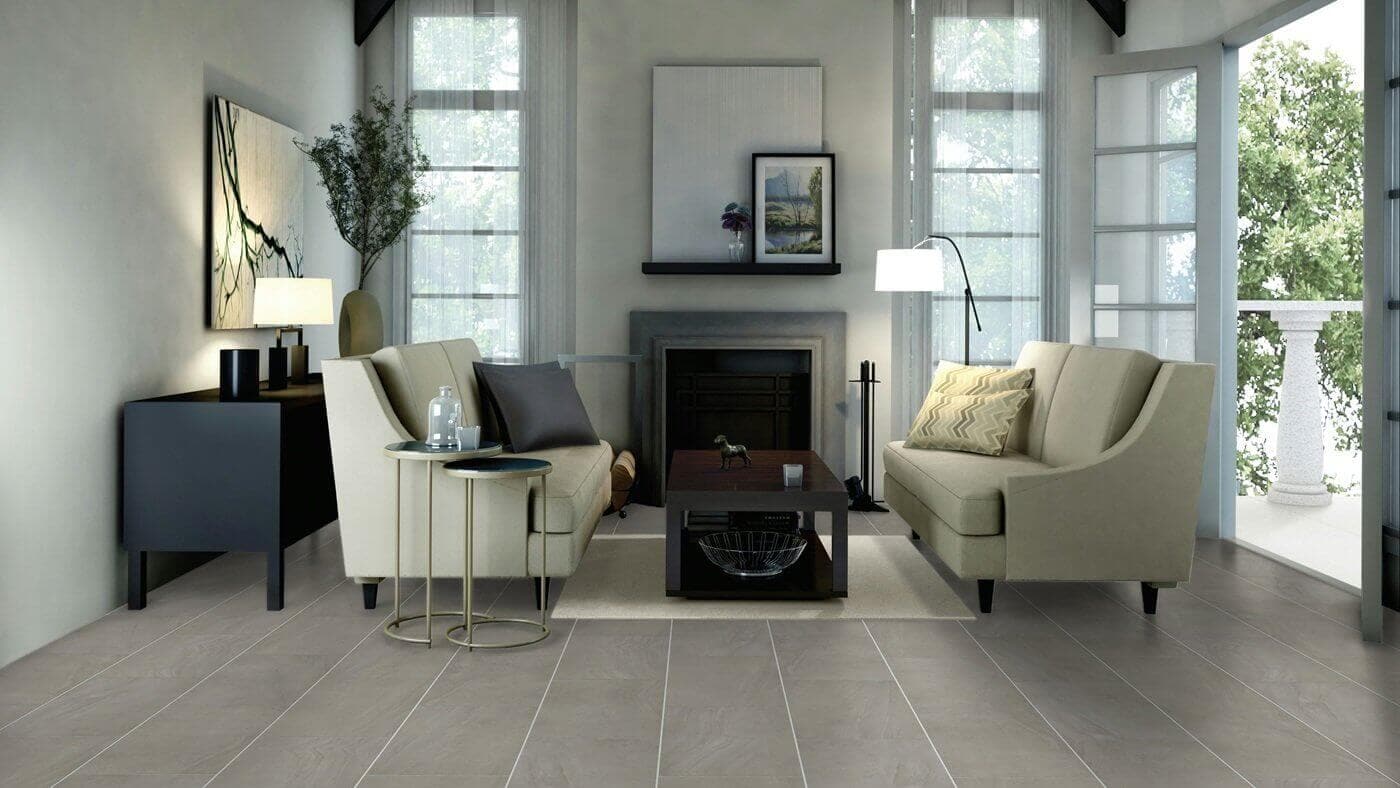
Porcelain tiles are commonly used to create realistic wood-look, stone-look, and concrete-look designs. The density of porcelain allows for detailed printing and deeper textures.
Ceramic tile is frequently chosen for decorative applications such as backsplashes and accent walls, where bold colors and patterns are desired.
When comparing the difference between ceramic tile and porcelain tile, design preference often comes down to where the tile will be installed and how much wear it will experience.
Installation Differences
Installation is another area where the difference between ceramic tile and porcelain tile becomes noticeable.
Ceramic tile is softer and easier to cut, which can simplify installation and reduce labor costs. It is often preferred for DIY projects or wall installations.
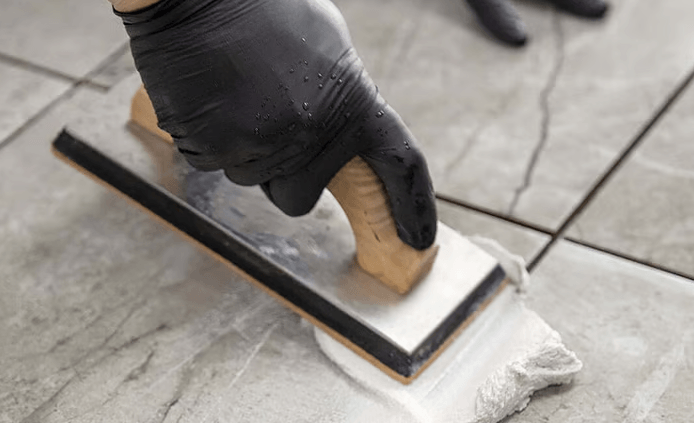
Porcelain tile is much harder and requires specialized cutting tools and experienced installers. Cutting porcelain tile incorrectly can lead to chipping or breakage, so professional installation is often recommended.
Cost Considerations
Cost is often part of the conversation when evaluating the difference between ceramic tile and porcelain tile.
Ceramic tile generally has a lower upfront cost and is less expensive to install. This makes it an attractive option for budget-conscious projects or decorative applications.
Porcelain tile typically costs more per square foot and may have higher installation costs. However, its durability and longevity can make it a cost-effective choice over time, especially in high-traffic areas.
Best Uses for Ceramic Tile
Ceramic tile is best suited for:
Kitchen backsplashes
Bathroom walls
Fireplace surrounds
Accent walls
Low-traffic residential floors
When the space does not experience heavy wear or constant moisture, ceramic tile can be an excellent and economical choice. Explore ceramic tile product options to see styles designed for decorative and light-use applications.
Best Uses for Porcelain Tile
Porcelain tile is ideal for:
Bathroom floors and showers
Kitchens
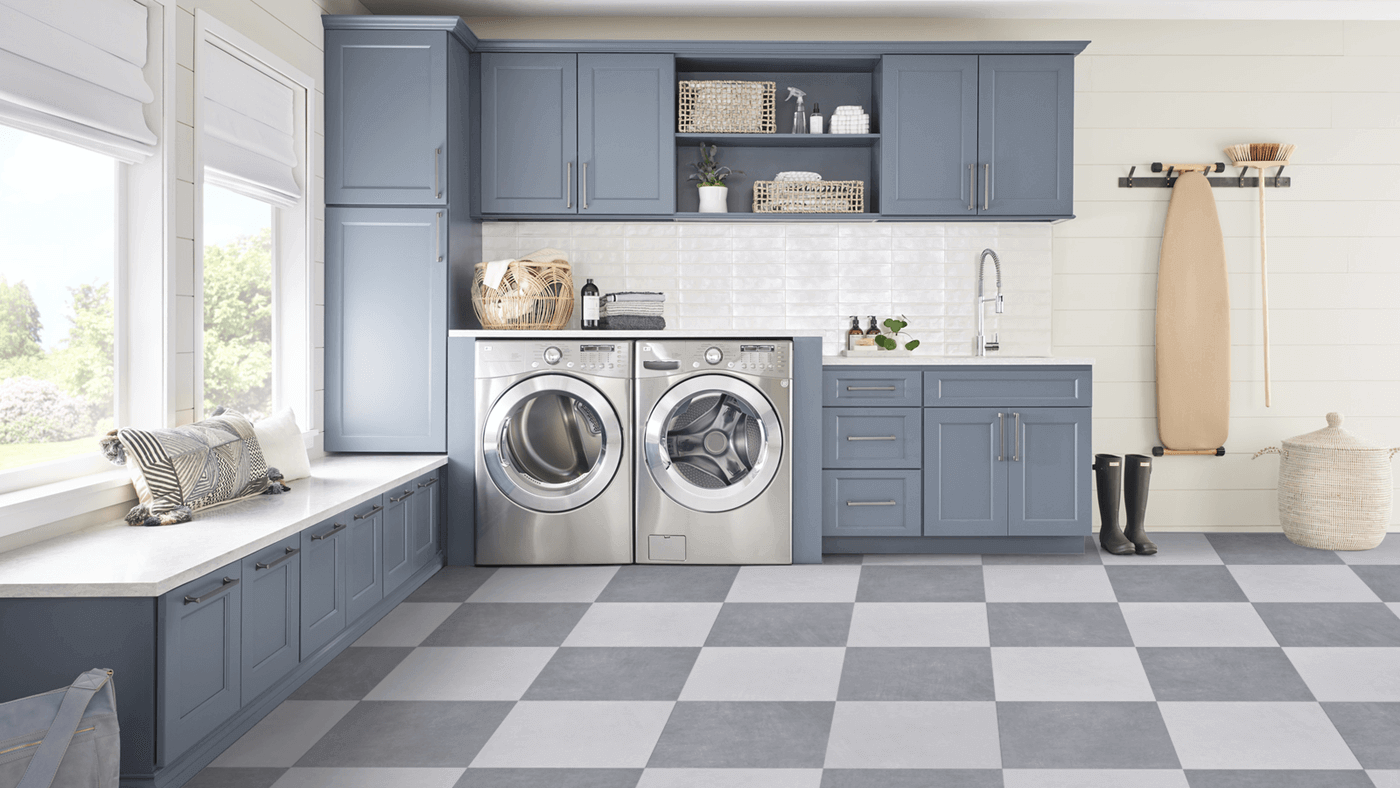
Entryways and mudrooms
High-traffic living areas
Outdoor patios and walkways
Its strength and water resistance make porcelain tile well suited for demanding environments — explore porcelain tile product options to find styles that match your design and durability needs.
How to Tell Ceramic Tile and Porcelain Tile Apart
A practical way to identify the difference between ceramic tile and porcelain tile is by looking at the tile’s body.
Ceramic tile often has a red or white core beneath the glaze. Porcelain tile typically has a uniform color throughout.
Product labeling can also help. Porcelain tile is usually identified as “porcelain” and may include water absorption ratings. When in doubt, confirming with the manufacturer or retailer is recommended.
Is Porcelain Tile Always Better?
Despite the clear difference between ceramic tile and porcelain tile, porcelain is not always the better option.
Ceramic tile remains a smart choice for walls, decorative spaces, and projects where ease of installation and cost are priorities. Porcelain tile is better suited for floors and areas exposed to moisture or heavy traffic.
The best tile is the one that matches how the space will be used.
Final Thoughts
Understanding the difference between ceramic tile and porcelain tile allows you to choose the right material for your project with confidence. Both options offer excellent design possibilities and long-term value when used appropriately.
Ceramic tile works well for decorative and low-impact applications, while porcelain tile excels in durability, moisture resistance, and versatility. By considering where the tile will be installed and how it will be used, you can select the option that delivers the best performance for your home.
FAQs
Is porcelain tile colder than ceramic tile?
Both porcelain and ceramic tile tend to feel cool underfoot because they are dense materials that do not retain heat well. The temperature difference between the two is minimal, but both can feel colder than wood or vinyl, especially in cooler climates
Are ceramic and porcelain tiles slippery?
Slip resistance depends more on the tile’s surface finish than the material itself. Matte or textured tiles offer better traction, while glossy finishes can be more slippery—especially in wet areas like bathrooms.
Does tile size affect whether ceramic or porcelain is the better choice?
Larger format tiles are more commonly made from porcelain because of its strength and stability. This makes porcelain a popular choice for modern large-format floor designs, while ceramic is often used for smaller or decorative tiles.