Table of Contents
- Tile Grout vs Caulk: What to Use, Where to Use It, and Why It Matters
- Why the Tile Grout vs Caulk Decision Matters
- What Is Tile Grout?
- What Is Tile Caulk?
- Can I Grout Corners and Coves Instead of Caulk?
- Does the Caulk Match the Color of the Grout?
- Can I Use Grout Between My Tile and Countertop?
- Will My Grout Fade Over Time?
- Tile Grout vs Caulk: Where Each Belongs
- What Happens If You Use the Wrong One?
- Maintenance Differences Homeowners Should Expect
- Why Professionals Separate Grout and Caulk Roles
- Final Thoughts: Why Tile Grout vs Caulk Matters More Than You Think
- FAQs
Tile Grout vs Caulk: What to Use, Where to Use It, and Why It Matters
When planning a tile installation, most homeowners focus on the tile itself—color, size, pattern, and finish. But what fills the spaces between those tiles matters just as much. One of the most common (and costly) mistakes in tile projects comes from misunderstanding tile grout vs caulk and where each should be used.
Grout and caulk may look similar once installed, but they serve very different purposes. Using the wrong material in the wrong place can lead to cracking, water damage, discoloration, and premature failure. Understanding the difference between tile grout vs caulk helps protect your investment and ensures your tile looks great long after installation.
This guide explains what to use, where to use it, and why it matters, while answering the most common questions homeowners ask during tile planning and installation.
Why the Tile Grout vs Caulk Decision Matters
Tile is rigid. Homes are not.
Floors, walls, countertops, and cabinets naturally expand and contract with temperature changes, humidity, and structural settling. The key distinction in the tile grout vs caulk conversation comes down to movement management.
Grout is rigid and structural
Caulk is flexible and adaptive
Each material is engineered for a specific role. When those roles are confused—or ignored—cracks, gaps, and moisture issues tend to follow.
What Is Tile Grout?
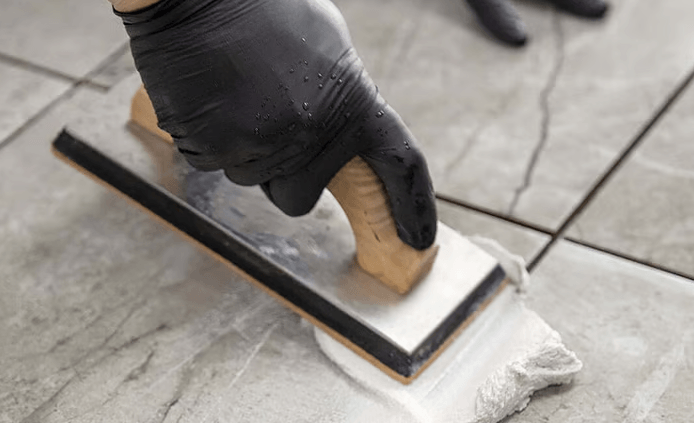
Tile grout is a cement-based or resin-based material designed to fill joints between tiles that sit on the same plane. Its purpose is to stabilize tiles, protect edges, and complete the visual pattern of the installation.
Key Characteristics of Tile Grout
Hardens into a solid surface
Supports tile alignment and spacing
Fills flat, stable joints
Not designed to flex or absorb movement
Grout performs best in areas where there is little to no movement, such as continuous tiled floors or uninterrupted wall surfaces.
What Is Tile Caulk?
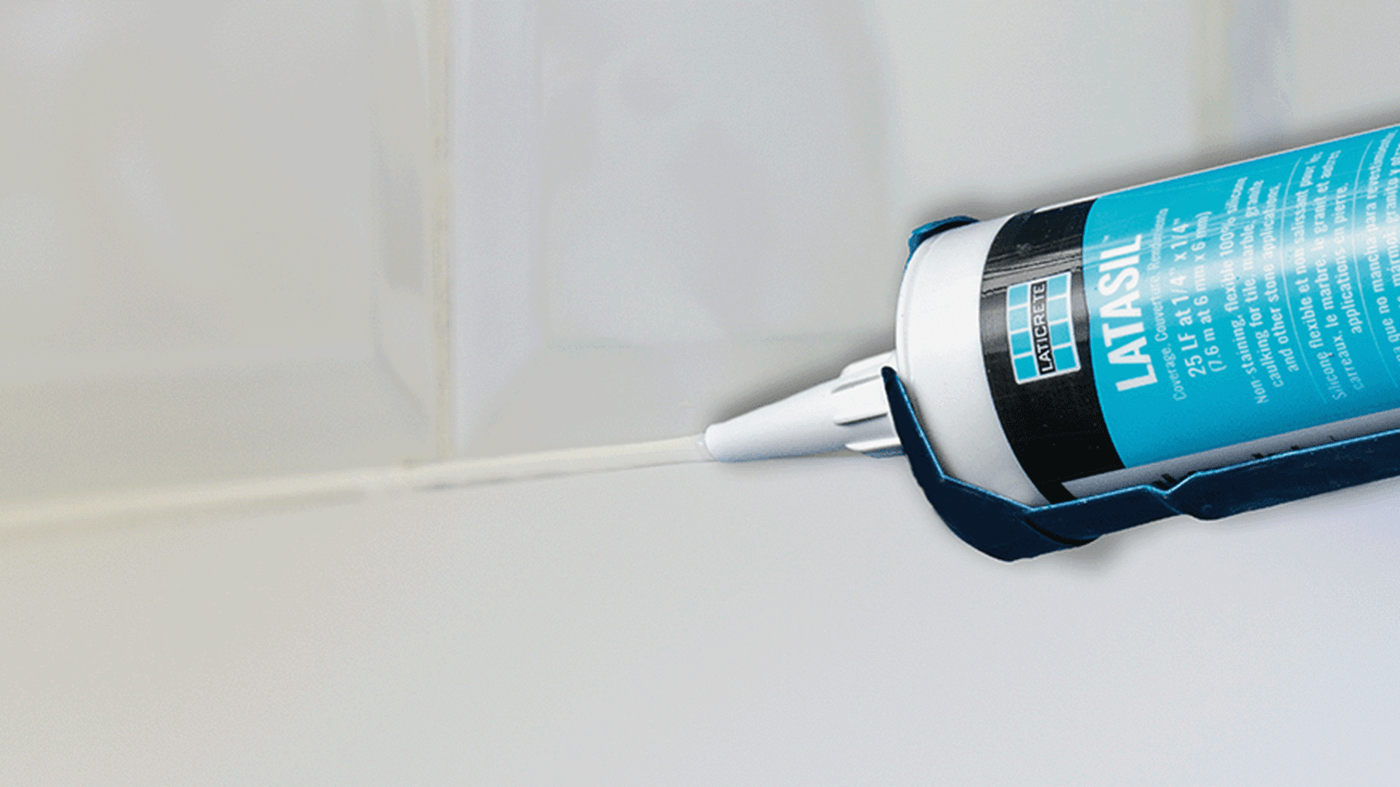
Tile caulk is a flexible sealant, most commonly silicone or acrylic-based, created to handle movement between different materials or planes.
Key Characteristics of Tile Caulk
Remains flexible after curing
Absorbs expansion and contraction
Seals joints against moisture
Reduces cracking at transitions
In the tile grout vs caulk discussion, caulk plays a preventative role—it protects areas that naturally shift over time.
Can I Grout Corners and Coves Instead of Caulk?
This is one of the most frequently asked questions—and one of the most common installation errors.
Short answer: No.
Corners and coves are considered changes in plane, meaning two surfaces meet at an angle and move independently from one another.
Why Grout Fails in Corners
Grout lacks flexibility
Normal movement causes cracking
Cracks allow moisture behind tile
Repairs become recurring and visible
Why Caulk Is Required
Industry tile installation best practices recommend caulk—not grout—at:
Inside corners
Outside corners
Wall-to-floor transitions
Shower curbs and pans
Using caulk in corners isn’t about preference—it’s about long-term performance.
Does the Caulk Match the Color of the Grout?
Yes—in most installations, it does.
Many manufacturers offer color-matched caulk that coordinates with popular grout colors. While caulk may have a slightly different sheen than grout, the color blend is intentional and visually clean.
What to Expect from Color-Matched Caulk
Designed to complement grout color
Slight sheen difference is normal
Looks intentional, not patched
Performs better than grouted corners
In the tile grout vs caulk decision, durability and flexibility always outweigh perfect uniformity.
Can I Use Grout Between My Tile and Countertop?
This is another critical grout vs caulk scenario.
Tile-to-countertop joints should always be caulked.
Why Grout Fails at Countertops
Countertops and walls move separately
Temperature changes cause expansion
Daily use increases stress on joints
Why Caulk Works Better
Flexes with movement
Prevents cracking and separation
Helps protect cabinets from moisture
Using grout between tile and countertop almost always leads to cracking within the first year.
Will My Grout Fade Over Time?
Yes—some fading or color variation is normal, depending on the product, location, and maintenance.
Grout can change appearance due to:
UV exposure
Cleaning products
Moisture and mineral deposits
Wear in high-traffic areas
This is why grout maintenance and proper sealing matter. Caulk may discolor differently over time, especially in wet zones, and should be inspected periodically.
Tile Grout vs Caulk: Where Each Belongs
Use Tile Grout:
Between tiles on the same flat surface
Floors, walls, and backsplashes
Areas without movement or transitions
Use Tile Caulk:
Inside and outside corners
Tile-to-countertop transitions
Tub and shower perimeters
Tile-to-cabinet or tile-to-wall joints
Understanding where each belongs is one of the most important tile installation best practices.
If you’re unsure which material belongs in a specific transition or wet area, our team can help explain grout and caulk options based on common installation best practices. Contact us for guidance before starting your project.
What Happens If You Use the Wrong One?
Using grout where caulk belongs often results in:
Cracked joints
Loose or damaged tile edges
Moisture intrusion behind walls
Ongoing repair cycles
Using caulk where grout belongs can lead to:
Reduced structural support
Inconsistent joint spacing
Premature wear
The tile grout vs caulk choice directly affects how long your installation lasts.
Maintenance Differences Homeowners Should Expect
Grout Maintenance
May require periodic sealing
Can absorb stains if neglected
Needs gentle, pH-neutral cleaners
Caulk Maintenance
Should be inspected over time
May need replacement eventually
Requires routine cleaning in wet areas
Neither material is maintenance-free, but both perform well when installed correctly.
Why Professionals Separate Grout and Caulk Roles
Experienced installers follow industry standards because they’ve seen what happens when shortcuts are taken. Corners crack. Transitions shift. Moisture finds a way in.
Separating grout and caulk roles isn’t excessive—it’s preventative craftsmanship.
Final Thoughts: Why Tile Grout vs Caulk Matters More Than You Think
The difference between tile grout vs caulk isn’t cosmetic—it’s structural. Grout provides stability. Caulk absorbs movement. When each material is used where it belongs, tile installations last longer, perform better, and require fewer repairs.
This isn’t about perfection—it’s about prevention.
At Flooring Market, we believe informed decisions lead to better outcomes. Understanding grout vs caulk placement helps homeowners protect their investment and enjoy tile surfaces that stay beautiful for years.
If you’re planning a tile project and want guidance on materials, layout, or installation best practices, our team is always here to help you move forward with confidence.
FAQs
How often should tile caulk be replaced?
Caulk in high-moisture areas like showers and tubs may need replacement every few years depending on usage, cleaning habits, and ventilation. Signs that caulk should be replaced include cracking, peeling, mold buildup, or gaps forming along the joint.
Why do installers sometimes leave small gaps in tile joints?
Small expansion gaps are intentionally left in certain areas to allow building materials to move naturally. These gaps are later filled with flexible sealants like caulk rather than grout to prevent cracking as the structure expands and contracts.
Can mold grow on grout or caulk?
Yes. Both grout and caulk can develop mold or mildew in damp environments if ventilation and cleaning are insufficient. Regular cleaning and proper bathroom ventilation help reduce moisture buildup and keep joints looking clean.